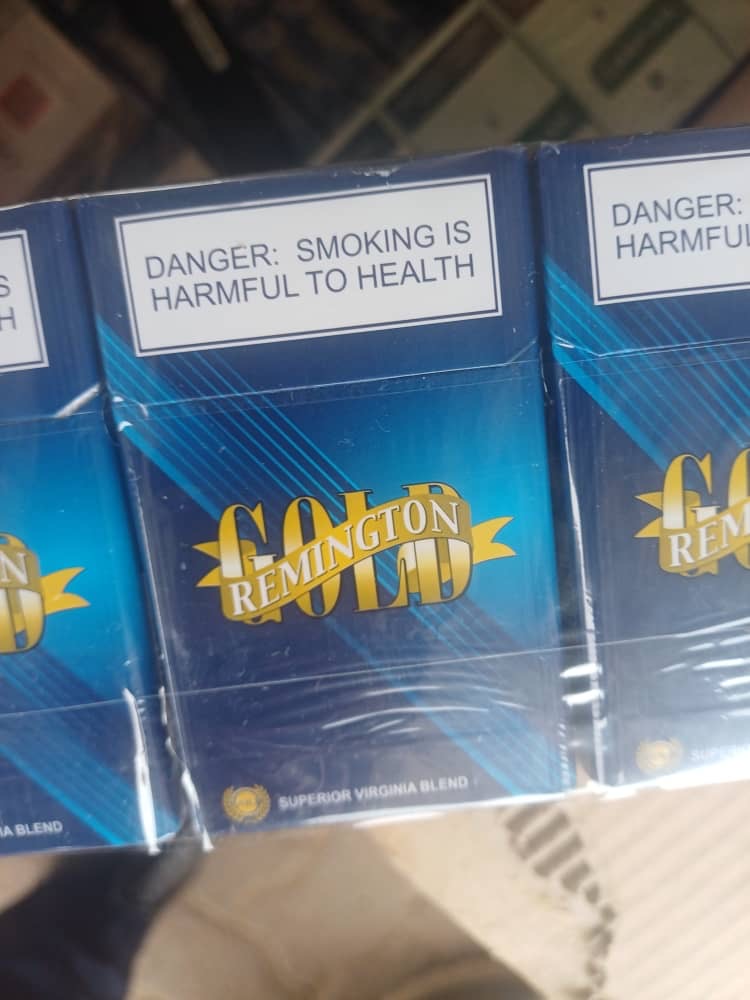
Cigarettes priced below South Africa’s Minimum Collectable Tax (MCT) remain widely available in the retail market, with new research finding that approximately 75% of stores surveyed continue to sell brands priced below the R27.12 tax threshold.
The findings, from independent research firm Ipsos, raise questions about the effectiveness of government’s efforts to disrupt the illicit tobacco trade following the announcement of the Illicit Economy Disruption Programme in February’s State of the Nation Address.
The Cigarette Retail & Wholesale Price Research study found that cigarettes selling for less than R20 a pack were available in almost 65% of stores surveyed. It also indicated that manufacturers were shifting more product into price bands below the current MCT, pointing to intensified competition at the lower end of the market.
The research was commissioned following the announcement of Operation Ukubusa, which forms part of government’s stated efforts to tackle illicit economic activity.
Johnny Moloto, head of corporate and regulatory affairs for BAT sub-Saharan Africa, said the findings suggested that illicit cigarette manufacturers continued to sell products at prices below the taxes legally due.
“SARS must demonstrate that there are consequences for profiting from illicit trade,” he said.
The economic cost of illicit trade
The latest findings come amid growing concern about the impact of illicit trade on government revenue, formal businesses and employment.
BAT South Africa estimates that illicit cigarette sales cost the government approximately R30bn in excise revenue annually. The company argues that the continued availability of cigarettes below the tax threshold places compliant manufacturers and retailers at a competitive disadvantage.
Investigative series exposes the human cost of SA’s illicit economy
The wider economic impact extends beyond tobacco. Research commissioned by the Consumer Goods Council of South Africa estimates that the illicit economy across 12 sectors is worth R280bn. The study also estimates that illicit activity results in R193bn in lost production within the formal economy and affects as many as 87,500 direct jobs.
Moloto said the tobacco market illustrated the potential consequences for established businesses when illicit operators gain market share. BAT’s decision earlier in 2026 to close its South African factory, which the company attributed to the impact of illicit trade, was an example of the pressure facing the formal industry.
For government, the challenge is to enforce tax compliance while limiting the effects of illicit activity on legitimate investment, production and employment.
Calls for a minimum retail price
BAT South Africa is calling for the introduction of a minimum retail price (MRP) of R38 per pack. The proposed measure would make it illegal to sell cigarettes below that price and, according to the company, give law enforcement a more straightforward way to identify potentially non-compliant products.
Moloto said the current framework required officials to interpret several pieces of legislation to establish whether a product was illicit, often involving specialists from different government departments.
A minimum price could simplify this process, although its effectiveness would depend on how the measure was designed, implemented and enforced. In a presentation to Parliament in October 2025, the South African Revenue Service (SARS) described an MRP as a measure that could help “level the playing field” in the tobacco market.
BAT is also advocating for manufacturing licences to be revoked in cases where companies are found to have consistently under-declared production volumes or engaged in tax evasion.
Enforcement remains the central challenge
The Ipsos findings highlight the difficulty of tackling illicit tobacco through policy announcements alone. The continued availability of cigarettes below the MCT suggests that enforcement and compliance remain central to efforts to reduce the market for untaxed products.
For the formal tobacco industry, the stakes include the ability to compete with lower-priced products, protect jobs and sustain local manufacturing. For government, the issue is also linked to excise collection and the capacity of enforcement agencies to identify and act against tax evasion.
BAT says government has the tools to address the problem, but is calling for more decisive action. The latest research adds to the pressure on authorities to demonstrate whether the measures announced earlier this year are translating into changes in the retail market.