Southern Africa is at a defining moment in its history. The region is richly endowed with natural resources, fertile soils, forests, rivers, and vast mineral reserves, yet it is also one of the regions most vulnerable to impacts of climate change. Recurring drought, erratic rainfall patterns, soil degradation, and biodiversity loss have created significant threats to livelihoods, food security, and long-term economic stability. For governments, communities, and businesses, the challenge lies in balancing the urgent demand for economic growth with the equally pressing need for environmental stewardship.
The concept of sustainability in Southern Africa goes beyond ecology, it intertwines with social and economic survival. Over 60% of the population in countries such as Zimbabwe, Malawi, and Zambia relies on agriculture for income. Agriculture is highly climate-sensitive, and changing weather conditions have already reduced yields of staple crops like maize and sorghum. Without intervention, these challenges risk deepening poverty and increasing dependence on food imports. In response, regional governments, non-governmental organizations (NGOs), and local farmers are embracing climate-smart agriculture practices. These include conservation tillage, water-harvesting technologies, crop diversification, and the introduction of drought-resistant seed varieties.
Community-led initiatives are proving particularly effective in advancing sustainability across Southern Africa. In Zimbabwe, conservation groups have introduced permaculture gardens in rural areas, enabling households to grow food year-round with minimal water. These same organizations, including; Zimbabwe Environmental Lawyers Association (ZELA), African Wildlife Foundation, and Environment Africa have also been instrumental in bridging community needs with environmental protection. Their efforts range from sustainable land use and wildlife conservation to community-led forestry initiatives. Meanwhile, in South Africa, smallholder farmers are adopting solar-powered irrigation pumps, allowing them to cultivate vegetables even during dry seasons. Together, these innovations do more than protect the environment; they empower communities by reducing vulnerability, building resilience, and shaping national sustainability agendas where people and nature thrive side by side.
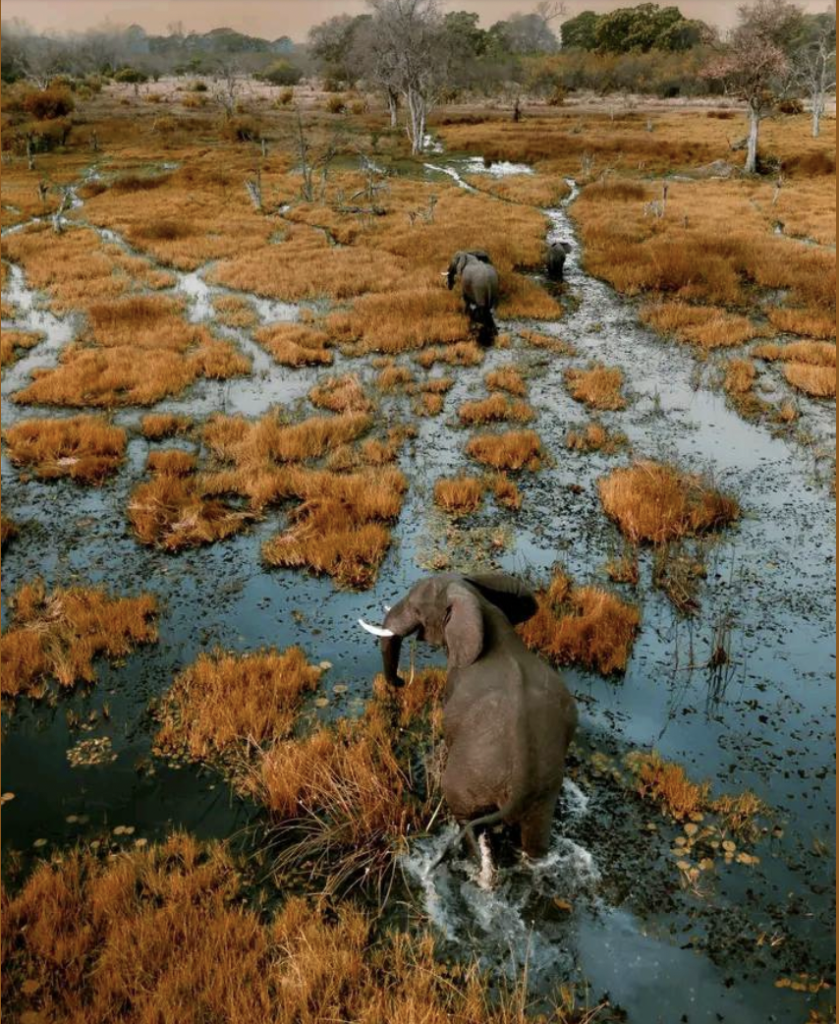
The private sector has also become a driving force for sustainability. Across the region, businesses are beginning to recognize that profitability and environmental responsibility are not mutually exclusive. In Botswana, for instance, the tourism industry has positioned itself around eco-tourism, especially in the Okavango Delta. By focusing on low-impact lodges and wildlife conservation, tourism companies are not only protecting ecosystems but also creating jobs for local communities. South Africa, meanwhile, has seen growth in renewable energy projects, particularly solar and wind farms, which are helping diversify energy sources and reduce carbon emissions.